
Helping Neighbors in Need Throughout the Coachella Valley
 Donating non-perishable food is one of the simplest and most meaningful ways to help neighbors experiencing hunger or food insecurity. A few cans from your pantry or an extra bag of groceries may seem small, but when our community comes together, those donations can make a lasting difference.
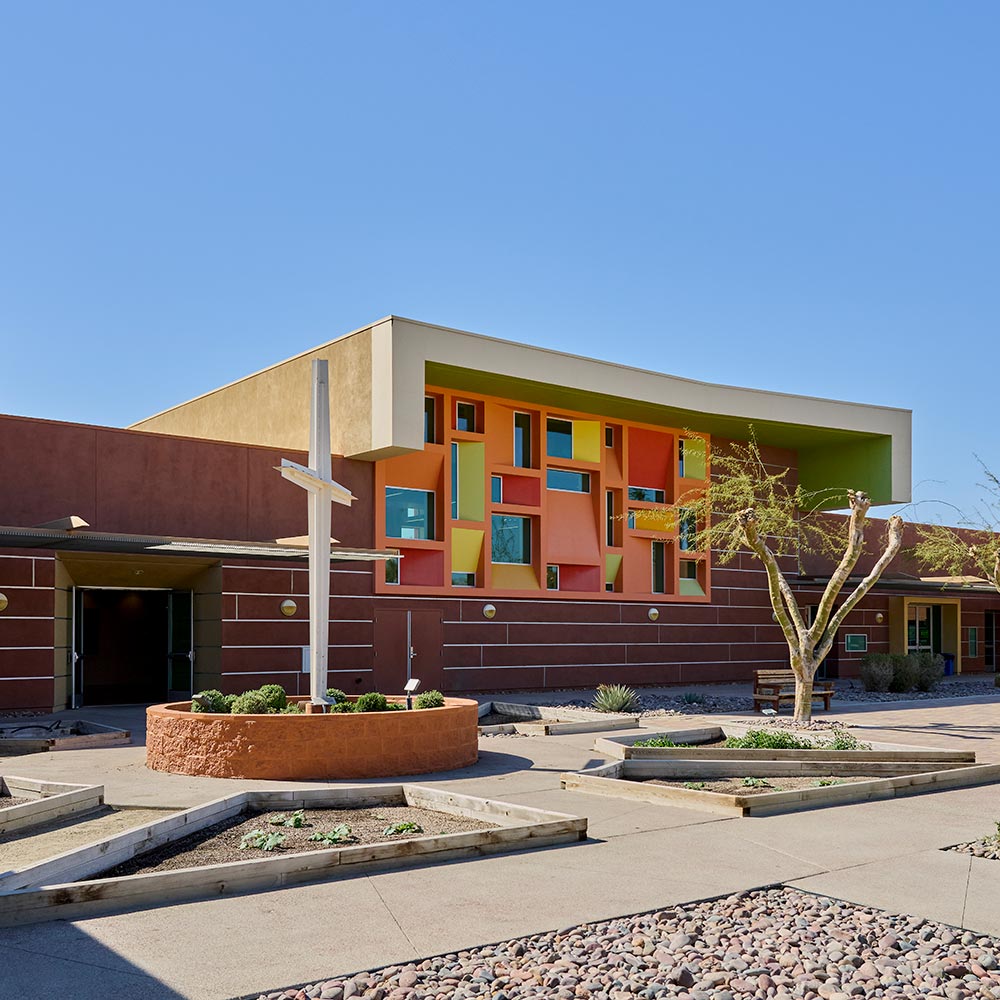
At the Coachella Valley Rescue Mission (CVRM), food is an essential part of how we care for individuals and families throughout the Coachella Valley. Each day, we serve approximately 1,000 meals to our clients and members of the community, ensuring that those in need have access to a nutritious meal and compassionate support.
Donating non-perishable food is one of the simplest and most meaningful ways to help neighbors experiencing hunger or food insecurity. A few cans from your pantry or an extra bag of groceries may seem small, but when our community comes together, those donations can make a lasting difference.
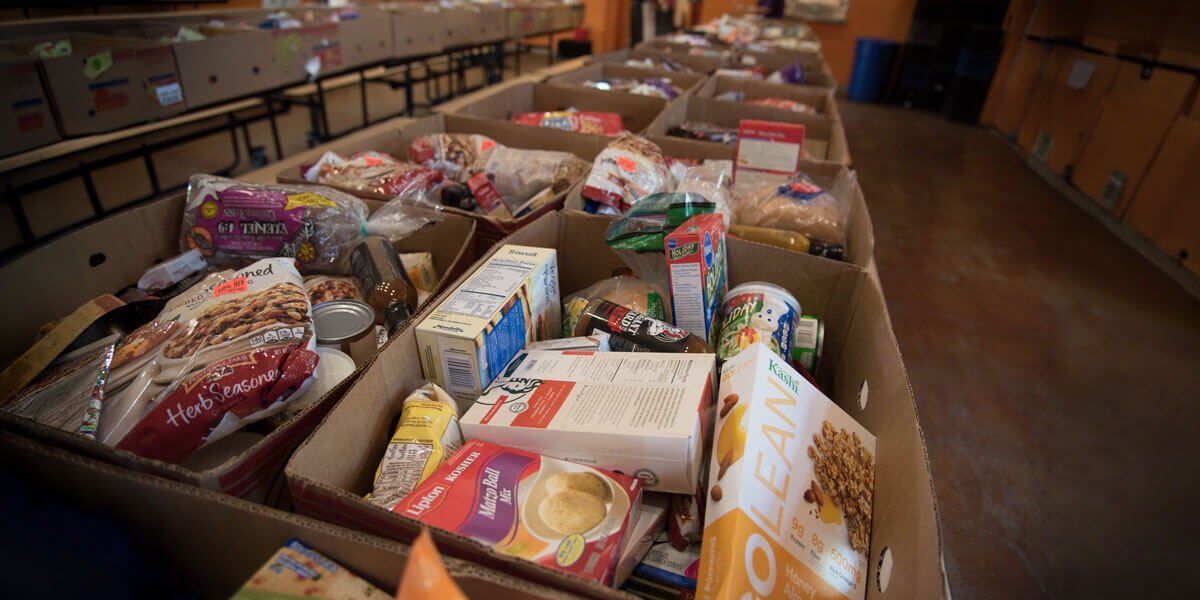
At the Coachella Valley Rescue Mission (CVRM), food is an essential part of how we care for individuals and families throughout the Coachella Valley. Each day, we serve approximately 1,000 meals to our clients and members of the community, ensuring that those in need have access to a nutritious meal and compassionate support. Our commitment extends beyond our campus. Every Wednesday at 8:00 a.m., while supplies last, CVRM distributes more than 100 food boxes to local individuals and families facing food insecurity. These food boxes provide much-needed groceries to help households stretch their resources and put food on the table.
Our Street Outreach Team also brings non-perishable food, water, and other essential supplies directly to individuals experiencing unsheltered homelessness throughout the Coachella Valley. Through consistent outreach, our team is able to meet immediate needs while building relationships and connecting individuals with shelter, recovery programs, housing resources, and other supportive services.
Food Box Donations
Community donations help us keep our pantry stocked and our weekly food box program available to neighbors who need a little extra help. Food box donations can include rice, beans, cereal, pasta, pasta sauce, canned vegetables, canned soup, canned fruit, canned meat, macaroni and cheese, baking items, and dessert items. These everyday pantry staples can make a meaningful difference for individuals and families facing food insecurity.
Every donated item makes a difference. Whether you donate a few pantry staples, fill a grocery bag, organize a food drive, or encourage others to give, your generosity helps CVRM continue providing food, dignity, hope, and support to neighbors throughout the Coachella Valley.
Together, we can help ensure that individuals and families facing food insecurity know they are not alone and that their community is here to support them.
Start with Shelf-Stable Pantry Staples
When choosing foods to donate, shelf-stable items are always a great place to start. These foods are easy to store and can help individuals and families put together filling meals at home. Think about the staple items you might keep in your own pantry: canned vegetables, canned beans, rice, pasta, pasta sauce, oatmeal, cereal, and other non-perishable foods. Protein is also important. Items such as peanut butter, canned tuna, canned chicken, and canned beans can add substance to a meal without requiring refrigeration. A good rule of thumb is to donate foods you would be happy to serve your own family. Familiar, versatile ingredients can give recipients more options for putting together meals that work for their households.
Consider Foods That Are Easy to Eat
Not every food donation is going to someone with a full kitchen. Our Street Outreach teams travel throughout the Coachella Valley to connect directly with individuals and families who are unsheltered. Along with water, clothing, hygiene products, and other necessities, our teams provide non-perishable food to people living on the streets. That makes convenient foods especially helpful. Individual packages of crackers, granola bars, fruit cups, shelf-stable snacks, and canned foods that do not require complicated preparation can be practical choices. When you are shopping for donations, think about the person who will eventually receive the food. Something that is nutritious, filling, easy to carry, and simple to open can be especially valuable for someone without reliable access to a kitchen.
Food Insecurity Does Not Discriminate
Food insecurity can affect anyone. It can be a parent trying to stretch a grocery budget, a senior living on a fixed income, or a family experiencing an unexpected financial setback. Our Food Box Distribution program provides food assistance to Coachella Valley community members experiencing food insecurity. Food boxes are available for pickup on Wednesday mornings beginning at 8:00 A.M., while supplies last. Donations of everyday grocery staples can help families prepare meals at home and make their food budgets go a little further. Items that can work across several meals are especially useful. Rice, beans, pasta, cereal, canned vegetables, and other basic foods may not seem exciting, but they can become the foundation for breakfast, lunch, or dinner.
Your Donations Support Real Meals
Food donations also connect to a much bigger effort at CVRM. Our Daily Meal Services provide more than 30,000 meals each month to men, women, and children in the Coachella Valley. These nourishing meals help us meet one of the most immediate needs a person can have: hunger. A meal can also be the beginning of something more. When someone comes to us for food, they may also learn about shelter, recovery programs, housing resources, or other support available through the Coachella Valley Rescue Mission. That is why helping keep our shelves stocked matters. Food is not just something we hand out – it is part of the care and compassion we provide every day.
Help Us Feed Our Coachella Valley Neighbors
The best foods to donate are ultimately foods that are useful, nutritious, and easy for someone to enjoy. Whether you give a few cans, a bag of pantry staples, or contribute to a larger food drive, your generosity can help put food into the hands of someone who needs it. At the Coachella Valley Rescue Mission, we see what that generosity can do every day. Donations help support our Daily Meal Services, Food Box Distribution, Street Outreach, and our ongoing work with individuals and families throughout the Coachella Valley.
If you would like to help, consider donating food, making a financial contribution, or volunteering your time with CVRM. Together, we can continue making sure our Coachella Valley neighbors have access to nourishment and support when they need it most.